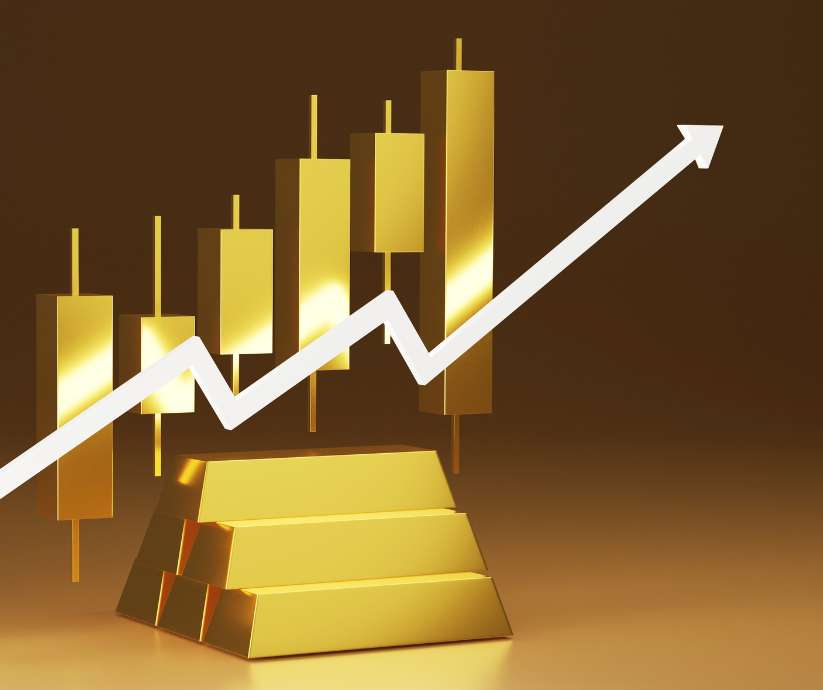
How Gold Influences the Global Economy
Gold has played a crucial role in the global economy for centuries. As both a commodity and a financial asset, its value extends beyond jewelry and industrial applications to influence currencies, trade, and financial markets. This article explores the ways in which gold impacts the global economy.
1. Gold as a Store of Value
Gold has long been considered a store of value due to its scarcity and durability. Many central banks hold gold reserves as a way to back their currencies and provide stability in times of economic uncertainty.

2. Gold and Currency Stability
Historically, many nations operated under the gold standard, where currency value was directly linked to gold. Although most modern economies have moved to fiat currencies, gold continues to influence monetary policy and exchange rates as a hedge against inflation and currency devaluation.
3. Gold in Global Trade
Gold is traded internationally, impacting trade balances and foreign exchange reserves. Countries with significant gold reserves may leverage them for economic stability and international trade agreements.
4. Gold’s Role in Financial Markets
Gold is a major asset class in global financial markets. Investors and institutions often include gold in their portfolios for diversification. The price of gold can reflect broader economic trends, including market confidence and interest rate movements.
5. Gold Mining and Economic Impact
Gold mining contributes significantly to the economies of producing nations. It generates employment, tax revenues, and foreign exchange earnings, particularly in countries with rich gold deposits.
Conclusion
Gold remains an integral part of the global economy, affecting everything from currency valuation to financial markets and trade. Its historical significance and ongoing economic impact ensure that gold will continue to play a role in shaping global economic policies and financial stability.

 Gold IRA
You must be logged in to post a comment.