• Striking It Rich: The Gritty History of Gold Rushes and the Businesses That Boomed

    There’s a unique fever that takes old of a person when gold is involved. It’s more than greed—it’s a shimmering hope, the promise that life can change with one lucky strike. To understand the true power of gold, you have to go back to the heart of the gold rush era, when dusty towns turned to booming cities overnight, and ordinary folks became legends—or cautionary tales.

    A World Gone Mad for Gold

    The first major gold rush kicked off in 1848 in California, when James W. Marshall spotted glimmers of gold at Sutter’s Mill. Word spread like wildfire. By 1849, nearly 300,000 people had descended on California from every corner of the globe, each chasing that seductive sparkle.

    Panning for gold in the river

    Life was rough, to say the least. Prospectors, often called “forty-niners,” endured treacherous journeys by land and sea. When they arrived, many found not riches but back-breaking labor. Imagine spending sunrise to sundown ankle-deep in freezing water, panning the same stretch of riverbank day after day, all for a few flakes of gold—if you were lucky.

    Lodging was scarce and expensive. Supplies ran short. Disease was rampant. Violence wasn’t uncommon. But gold kept them going. It was a dream they could hold in their hands. A nugget meant security, freedom, or the ability to send money back to family across the country or overseas.

    More Than Just Gold: Booming Businesses

    Here’s the twist most don’t expect: the people who made the real money during the gold rush weren’t always the miners. It was those who supplied them. This is where the famous phrase “sell picks and shovels during a gold rush” comes from—and it’s no exaggeration.

    The Picks and Shovels

    Mining tools became hot commodities. Entrepreneurs who supplied durable shovels, reliable pans, and sturdy picks saw profits soar. A miner could lose everything on a bad claim, but the man selling him tools was getting paid either way.

    Levi Strauss and the Birth of Blue Jeans

    In 1853, a Bavarian immigrant named Levi Strauss arrived in San Francisco, aiming to sell canvas for tents and wagon covers. But he quickly realized what miners really needed: pants tough enough to survive the daily grind of prospecting. Thus, the first pair of Levi’s jeans was born—a pair of work trousers reinforced with rivets, designed to handle rough, dirty work. Little did Strauss know, his name would become iconic around the globe, long after the gold had dried up.

    pan of gold

    Hotels, Saloons, and General Stores

    Where there are people, there’s profit. Towns like San Francisco and Sacramento exploded, catering to the needs of the miners. Hotels charged outrageous rates. Saloons overflowed with miners eager to drink away the day’s frustrations. General stores sold everything from boots to beans, often at prices that would make today’s shoppers faint. It was capitalism at its most raw—and the savvy made fortunes.

    The Region Transformed

    The gold rush didn’t just enrich individuals. Entire regions were transformed. California, for example, went from a remote frontier to a booming state almost overnight. Railroads expanded. Ports grew. Agriculture and trade flourished to support the growing population. Cities like San Francisco went from sleepy outposts to bustling metropolises.

    Beyond California: Other Rushes, Same Story

    California’s success story sparked gold rushes all over the world. Australia, South Africa, Canada’s Yukon, and Alaska each had their own versions. The details differed, but the pattern was the same: gold discovered, people flocked, businesses boomed, towns sprang up, and economies shifted.

    More Than Metal

    For the prospectors, gold was everything. It wasn’t just about wealth—it was hope. It was a way out of poverty, a shot at building something lasting. But looking back, we see that the gold rushes were really about much more. They were engines of industry and migration. They created new cities, new technologies, and new cultural legacies.

    gold

    And in the end, it’s almost poetic: while countless miners chased their golden dreams, it was often the ones selling the tools, the jeans, and the whiskey who struck the richest veins of all.

  • Implications of Trump’s $5 Million ‘Gold Card’ Immigration Plan and Its Economic Implications
    Gold plan

    President Donald Trump has unveiled a new immigration initiative termed the “Trump Gold Card,” aimed at attracting affluent foreigners by offering them a pathway to U.S. residency and citizenship in exchange for a $5 million fee. This program is set to replace the existing EB-5 Immigrant Investor Program, which required lower investment thresholds and has faced criticism for fraud and inefficiency.

    Main Features of the Trump Gold Card:

    Investment Requirement: A $5 million payment grants applicants permanent residency with privileges akin to those of a green card, including the right to live and work in the U.S., and a route to citizenship.

    Program Objectives: The initiative aims to attract wealthy individuals who will contribute to the U.S. economy through significant spending, job creation, and tax payments. President Trump has suggested that selling one million Gold Cards could generate substantial revenue, potentially reducing the national debt. Forbes

    Implementation Timeline: The program is expected to commence within two weeks from the announcement on February 25, 2025.

    Potential Impact on Physical Gold Market:

    The introduction of the Trump Gold Card could have several implications for the physical gold market:

    IRA Gold GIF

    Increased Demand from New Residents: Affluent individuals obtaining residency may seek to diversify their investment portfolios, potentially increasing demand for physical gold as a hedge against economic uncertainties.

    Economic Growth and Inflation: The influx of capital from the program could stimulate economic growth. If this leads to inflationary pressures, investors might turn to gold as a store of value, thereby boosting its demand and price.

    Market Speculation: Announcements related to significant economic policies, such as the Trump Gold Card, can lead to speculative activities in commodity markets, including gold, as investors anticipate future market movements.

    While these factors suggest a potential uptick in gold demand, the actual impact will depend on various elements, including the number of participants in the program, their investment behaviors, and broader economic conditions.

  • Goldenomics

    How Gold Influences the Global Economy

    Gold has played a crucial role in the global economy for centuries. As both a commodity and a financial asset, its value extends beyond jewelry and industrial applications to influence currencies, trade, and financial markets. This article explores the ways in which gold impacts the global economy.

    1. Gold as a Store of Value

    Gold has long been considered a store of value due to its scarcity and durability. Many central banks hold gold reserves as a way to back their currencies and provide stability in times of economic uncertainty.

    The Gold Economy

    2. Gold and Currency Stability

    Historically, many nations operated under the gold standard, where currency value was directly linked to gold. Although most modern economies have moved to fiat currencies, gold continues to influence monetary policy and exchange rates as a hedge against inflation and currency devaluation.

    3. Gold in Global Trade

    Gold is traded internationally, impacting trade balances and foreign exchange reserves. Countries with significant gold reserves may leverage them for economic stability and international trade agreements.

    4. Gold’s Role in Financial Markets

    Gold is a major asset class in global financial markets. Investors and institutions often include gold in their portfolios for diversification. The price of gold can reflect broader economic trends, including market confidence and interest rate movements.

    5. Gold Mining and Economic Impact

    Gold mining contributes significantly to the economies of producing nations. It generates employment, tax revenues, and foreign exchange earnings, particularly in countries with rich gold deposits.

    Conclusion

    Gold remains an integral part of the global economy, affecting everything from currency valuation to financial markets and trade. Its historical significance and ongoing economic impact ensure that gold will continue to play a role in shaping global economic policies and financial stability.

    Gold markets
  • What Would an Audit of Fort Knox Look Like?

    Elon Musk has a habit of stirring curiosity, and his recent suggestion of auditing Fort Knox has reignited interest in one of the most secure places on Earth. But what would such an audit actually look like? How would officials go about verifying the massive gold reserves inside? Let’s explore the process step by step.

    1. Gaining Authorization and Assembling an Audit Team

    Any audit of Fort Knox would require high-level approval from the U.S. Treasury and likely involve auditors from the Government Accountability Office (GAO), the U.S. Mint, and independent third-party experts. Security clearances would be mandatory, given the classified nature of the facility.

    Inside Fort Knox

    2. Security Preparations

    Fort Knox is protected by the U.S. Army and an array of advanced security measures. For an audit to take place, extra precautions would be taken to ensure both the integrity of the process and the safety of the personnel involved. Surveillance, armed escorts, and controlled movement within the facility would be necessary.

    3. Physical Inventory Verification

    A key part of the audit would be confirming the physical presence of the gold. Auditors would:

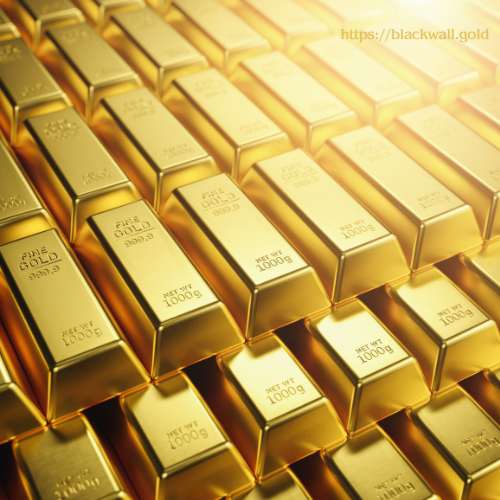
    Gold bars
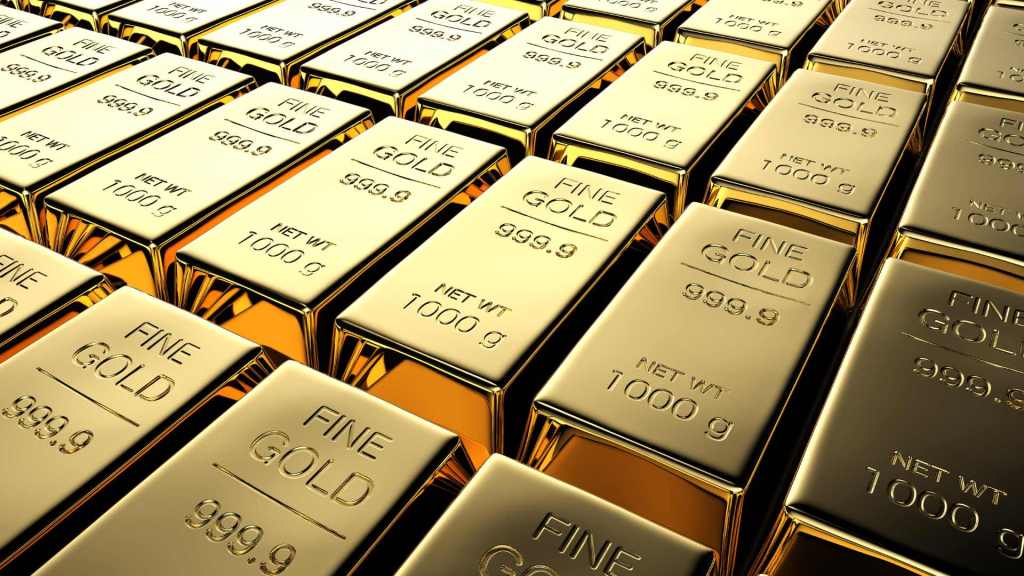
    • Count gold bars individually.
    • Verify serial numbers and compare them to official records.
    • Check the weight and dimensions of the bars.
    • Use non-invasive testing methods, such as X-ray fluorescence, to verify purity.

    4. Record Examination and Cross-Referencing

    Auditors would meticulously compare physical inventory against official records maintained by the U.S. Treasury. Any discrepancies would require further investigation to determine whether they are clerical errors or something more concerning.

    5. Vault Integrity Inspection

    Beyond counting the gold, an audit would include assessing the security of the vaults themselves. Are they structurally sound? Have there been any signs of unauthorized access or tampering? These checks would confirm that the gold has remained untouched and properly safeguarded.

    6. Reporting and Public Transparency

    Once the audit is complete, findings would be compiled into a detailed report. The big question remains: would the U.S. government choose to make the results public? Historically, audits of Fort Knox have been rare and mostly classified, with the last known verification occurring in 1974. However, given the public interest Musk’s suggestion has sparked, there might be a greater push for transparency.

    Final Thoughts

    An audit of Fort Knox would be a historic event, answering long-standing questions about the security and integrity of the U.S. gold reserves. While logistically complex and requiring immense security, it would serve as a powerful demonstration of accountability. Whether Musk’s idea gains traction remains to be seen, but one thing is certain: the mystery of Fort Knox continues to intrigue the public.

  • Gold IRA: What You Need to Know

    Outline of the steps for including gold into your IRA Funds

    Elon Musk recently made headlines with his plans to audit Fort Knox, sparking fresh conversations about the value of gold and its role in financial security. While this move has generated curiosity, some investors are also considering how gold can fit into their own portfolios—including through retirement accounts like an IRA. If you’re wondering how to invest in gold using IRA funds, here’s a straightforward breakdown of the process and key considerations.

    What Is a Gold IRA?

    A Gold IRA is a self-directed Individual Retirement Account (IRA) that allows you to hold physical gold, as well as other precious metals, instead of traditional assets like stocks and bonds. It functions similarly to a standard IRA but comes with specific rules and requirements.

    How the Gold IRA Process Works

    If you’re considering a Gold IRA, here’s a general overview of how the process works:

    1. Choose a Custodian – Since self-directed IRAs must be managed by an IRS-approved custodian, your first step is selecting one that offers precious metals IRAs.
    2. Fund Your IRA – You can fund your Gold IRA by rolling over an existing IRA, transferring funds from another retirement account, or making a new contribution.
    3. Select a Precious Metals Dealer – Work with a reputable dealer to purchase IRS-approved gold that meets purity requirements (typically 99.5% pure for gold bars and coins).
    4. Store Your Gold Securely – The IRS mandates that physical gold held in an IRA must be stored in an approved depository, not kept at home.
    5. Manage and Monitor – As with any investment, it’s important to keep track of your holdings and stay informed about any relevant tax or regulatory changes.

    Gold IRA Important Considerations

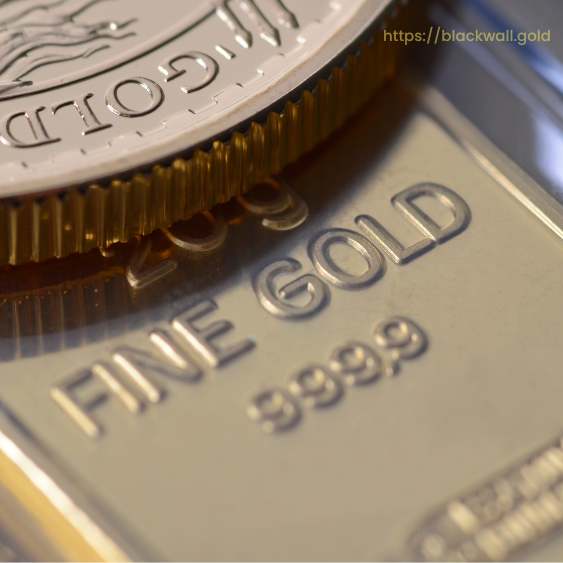
    Fine Gold
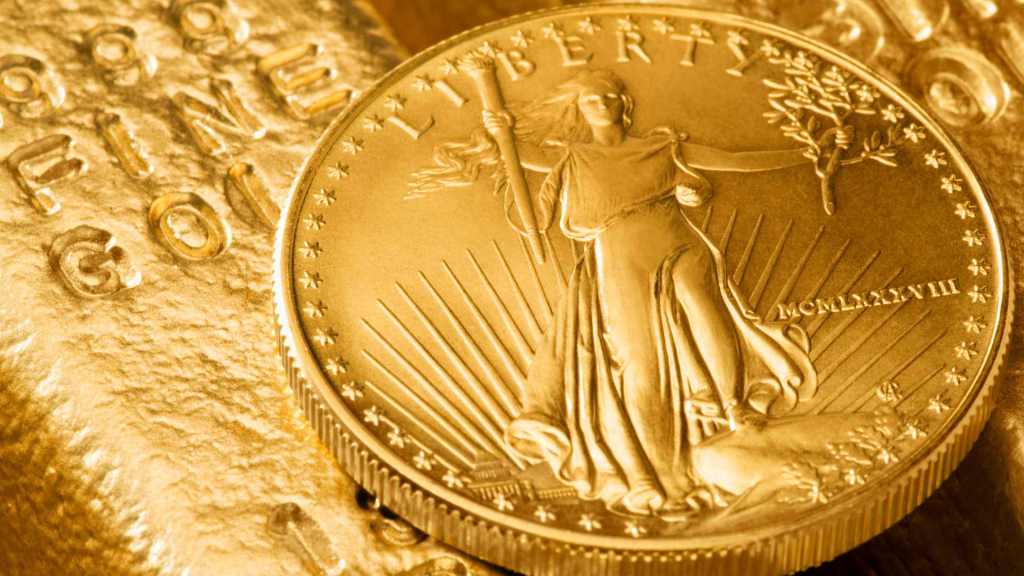
    • IRS-Approved Metals – The IRS allows for certain metals to be included in an IRA, but not all gold products are eligible for an IRA. Common approved options include American Gold Eagles, Canadian Gold Maple Leafs, and certain gold bars.
    • Fees and Costs – Gold IRAs often come with setup fees, annual maintenance fees, and storage costs, so it’s important to factor in these expenses. Certain companies offer free gold IRAs with no fees for 10 years, but keep in mind that IRAs are commonly held for long periods of time, so take that into considerations.
    • Liquidity and Selling – Unlike traditional stocks, selling physical gold may take more time and involve additional steps.
    • Tax Implications – Gold IRAs follow the same tax rules as traditional IRAs and Roth IRAs, meaning that only withdrawals before retirement age are subject to penalties and taxes. If the funds are kept in the fund till retirement age (Last I checked it was 59 and a half), then they are exempt the same way stock, bonds, or cash would be.

    Final Thoughts on Gold IRA

    A Gold IRA can be an interesting option for those who want to include physical assets into their retirement savings. While the process involves additional steps compared to a traditional IRA, understanding the requirements and potential costs can help you make an informed decision. If you’re interested, consider researching custodians and dealers that align with your financial goals.

    Disclaimer: This article is purely informational and does not offer financial advice. Always consult with a financial professional before making any investment decisions.

  • Gold Prices Soar Amid Tariff Concerns, Fort Knox Audit and Geopolitical Tensions
    Gold bars

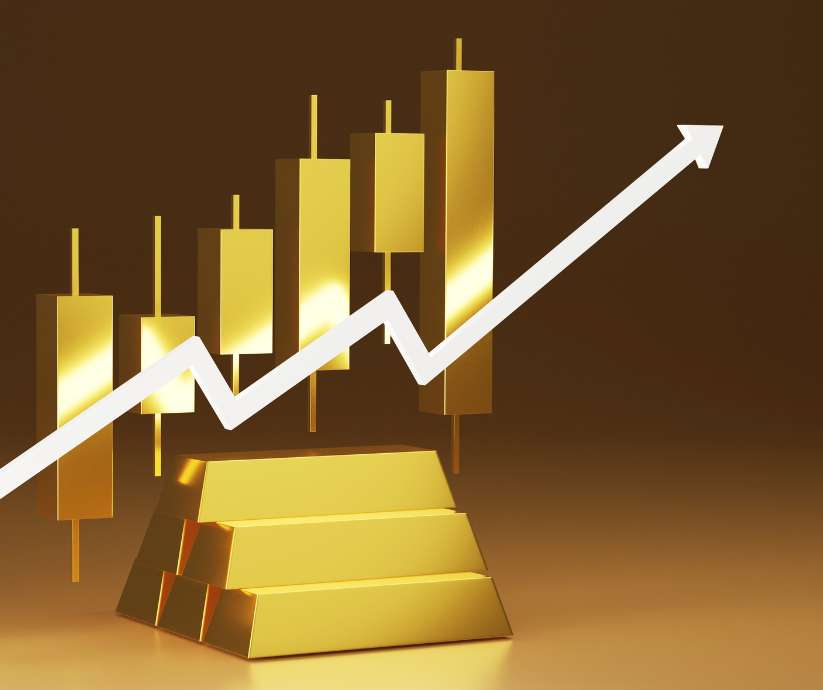
    Over the past few days, gold prices have reached unprecedented highs, driven by escalating geopolitical tensions and economic uncertainties. On Thursday, February 20, 2025, spot gold surged to a record $2,945.83 per ounce, with U.S. gold futures climbing to $2,963.80. This upward trajectory has been largely influenced by investor concerns over U.S. President Donald Trump’s proposed tariffs, which are anticipated to fuel inflation and potentially trigger a global trade war. The tariffs target a range of imports, including Chinese goods, steel, aluminum, lumber, automobiles, semiconductors, and pharmaceuticals.

    In addition to trade policy concerns, President Trump has suggested auditing the gold reserves at Fort Knox, a move that could potentially revalue the U.S. Treasury’s assets by approximately $750 billion. This proposal has added another layer of uncertainty to the financial markets.

    The current market sentiment has bolstered gold’s status as a safe-haven asset, with analysts suggesting that the $3,000 per ounce threshold is within reach. This bullish outlook is further supported by significant central bank purchases and a pause in the Federal Reserve’s quantitative tightening measures, which have increased liquidity concerns.

    In the investment sphere, Sprott Inc. has launched the Sprott Active Gold & Silver Miners ETF (GBUG), an actively managed fund aiming for long-term capital appreciation by investing in companies focused on gold and silver exploration, development, and mining. This move reflects growing interest in precious metals amid current market conditions.

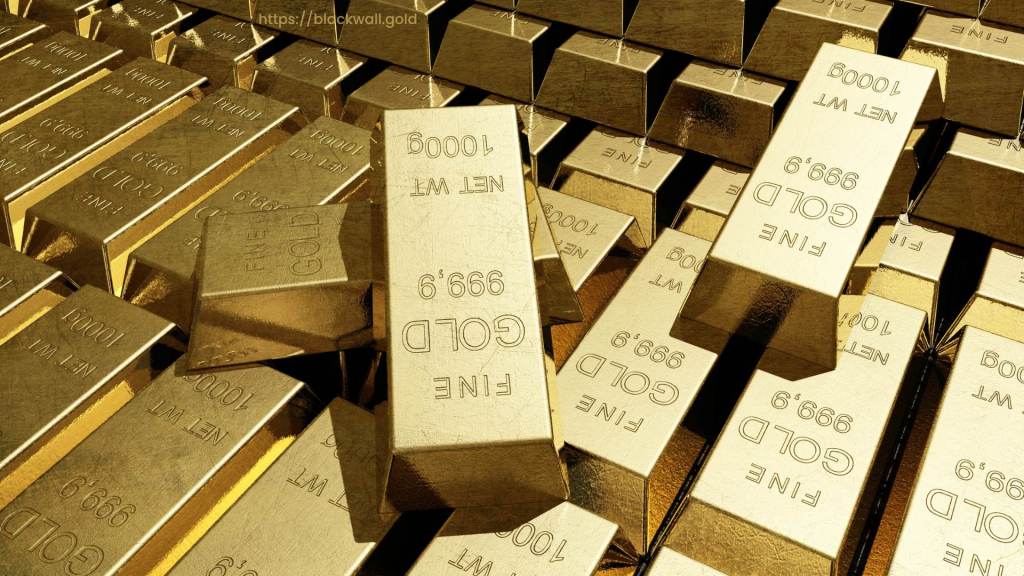
    Gold bars

    In the mining sector, Barrick Gold has reached an agreement with the Malian government to resolve a nearly two-year-long dispute over its mining assets in Mali. This development is expected to enhance Barrick’s operations and investor confidence in the region.

    Overall, the convergence of geopolitical tensions, economic policy shifts, and strategic corporate decisions continues to influence the gold market, reinforcing its role as a hedge against uncertainty.

    Welcom to Fort Knox

  • Musk Wants to Audit Fort Knox

    In recent developments, Elon Musk has expressed interest in auditing the gold reserves at Fort Knox, sparking discussions about transparency and the integrity of the United States’ gold holdings. This initiative has garnered support from political figures and has led to official responses from government entities.

    Inside Fort Knox

    Musk’s Call for an Audit

    The conversation began when Musk, responding to a social media query, questioned the current status of the gold stored at Fort Knox. He suggested that the Department of Government Efficiency (DOGE), which he leads, could undertake an audit to verify the presence and quantity of the gold reserves. Musk’s proposal aims to enhance transparency and public trust in the nation’s financial assets.

    Political Support and Official Responses

    Senator Rand Paul of Kentucky has voiced support for Musk’s proposal, emphasizing the importance of transparency regarding the nation’s gold reserves. Paul has advocated for a detailed review of Fort Knox’s contents, noting that the last known inspection occurred in 2017. He stated, “I think the more sunlight, the better, more transparency, the better.”

    President Donald Trump has also backed the initiative, expressing interest in confirming the existence of the gold reserves. During a recent discussion, Trump mentioned plans to “go into Fort Knox to make sure the gold is there,” highlighting the administration’s commitment to verifying the nation’s assets.

    In response, Treasury Secretary Scott Bessent reassured the public, stating that annual audits confirm all gold is accounted for. He mentioned that any interested senator could inspect Fort Knox, emphasizing the government’s confidence in the security and accuracy of the gold reserves.

    Implications and Public Interest

    Fort Knox Arches

    The initiative to audit Fort Knox comes at a time when gold prices are nearing record highs, with current values approaching $3,000 per ounce. This surge has intensified public interest in the nation’s gold reserves, leading to discussions about financial transparency and the potential impact on markets.

    While official audits have consistently verified the presence of the gold, Musk’s proposal for a live video walkthrough aims to provide an unprecedented level of transparency. Such an initiative could address longstanding public curiosity and speculation about the contents of Fort Knox.

    As this story develops, it underscores the ongoing dialogue between private sector leaders and government officials in promoting transparency and public trust in national assets.

    Elon Musk encouraged to crack open Fort Knox and audit the $425 billion gold reserves inside - and Rand Paul wants to help

  • Buying Gold with IRA, Roth IRA, and 401(k) Funds

    Gold has long been a sought-after asset, and many individuals choose to purchase it using retirement funds. For those looking to buy gold through an IRA, Roth IRA, or 401(k), the process involves specific steps and regulations that must be followed. Understanding how these retirement accounts can be used to acquire gold is essential for those interested in this method of purchasing.

    Understanding Gold in Retirement Accounts

    Traditional and Roth IRAs, as well as 401(k) plans, are designed to help individuals save for retirement. While these accounts typically hold stocks, bonds, and mutual funds, they can also be used to purchase certain types of gold. However, not all retirement accounts allow direct ownership of physical gold. Instead, investors must use a self-directed IRA or transfer funds to a Gold IRA to hold eligible gold assets.

    Setting Up a Self-Directed IRA

    A self-directed IRA (SDIRA) is a type of retirement account that allows for alternative assets, including gold. To buy gold using an IRA, one must first open a self-directed IRA with a custodian that specializes in these types of accounts. The custodian is responsible for ensuring compliance with IRS regulations and facilitating the purchase and storage of gold on behalf of the account holder.

    Transferring or Rolling Over Funds

    To fund a Gold IRA, individuals can transfer money from an existing IRA or roll over funds from a 401(k). A transfer occurs between IRAs and does not trigger taxes or penalties, while a rollover involves withdrawing funds and redepositing them within 60 days. When rolling over a 401(k) to a Gold IRA, it is necessary to check if the current plan allows rollovers and whether an employer-sponsored plan permits such a move.

    Choosing IRS-Approved Gold

    The IRS has specific requirements for gold held in retirement accounts. Only certain types of gold bars and coins meet these criteria. Eligible gold must have a minimum purity level of 99.5% and come from approved mints. Popular options include American Gold Eagles, Canadian Gold Maple Leafs, and certain gold bullion bars. Collectible coins and jewelry do not qualify for inclusion in a Gold IRA.

    Storage Requirements for Gold IRAs

    IRS regulations prohibit direct possession of gold held in an IRA. Instead, gold purchased through an IRA must be stored in an approved depository. These facilities provide secure storage and ensure compliance with tax laws. The custodian of the IRA facilitates the storage process and maintains records of ownership. Home storage is not allowed for IRA gold, as it must remain under the supervision of a qualified custodian.

    Withdrawing Gold from an IRA

    When it comes time to take distributions from a Gold IRA, account holders have two primary options: taking a cash distribution by selling the gold or receiving physical gold as an in-kind distribution. Distributions from a traditional IRA are subject to taxes, while Roth IRA distributions may be tax-free if certain conditions are met. Early withdrawals before retirement age may also incur penalties.

    Conclusion

    Purchasing gold using an IRA, Roth IRA, or 401(k) funds involves several important steps, from setting up a self-directed IRA to ensuring proper storage. Understanding these processes helps individuals navigate the complexities of acquiring gold within retirement accounts while staying compliant with IRS regulations. By following the required procedures, individuals can hold gold as part of their retirement savings with the appropriate legal and financial considerations in place.

  • The Timeless Allure of Gold Coins

    Gold coins have fascinated civilizations for thousands of years. Whether admired for their exquisite craftsmanship, historical significance, or sheer beauty, these small pieces of precious metal have played an essential role in human culture. From ancient empires to modern-day collectors, gold coins continue to captivate people across the globe.

    A Glimpse into History

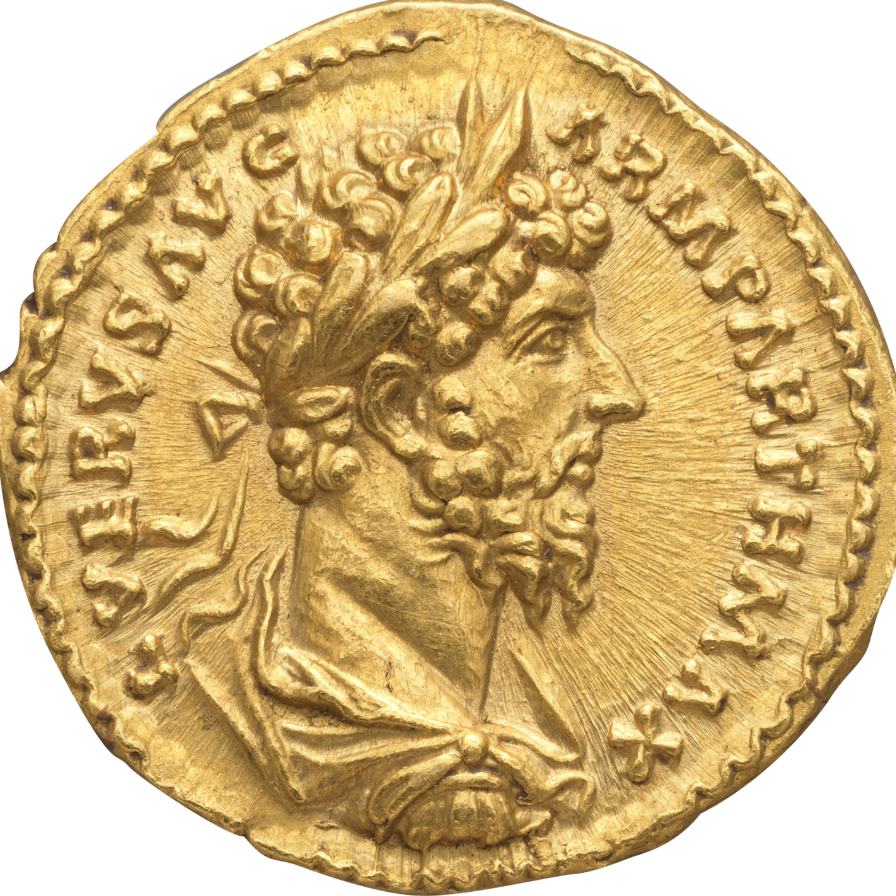
    Gold coins first appeared around 600 BCE in the ancient kingdom of Lydia, located in what is now Turkey. The Lydians, known for their early advancements in metallurgy, created coins from electrum—a naturally occurring alloy of gold and silver. These early coins bore simple designs, often depicting a lion, a symbol of strength and power.

    Ancient Gold Coin

    As civilizations expanded, so did the use of gold coins. The Greeks refined coinage, introducing intricate engravings of gods, goddesses, and mythological creatures. The Romans took it further, standardising gold coins like the aureus, which circulated widely across the empire. Throughout history, gold coinage has marked significant milestones, from medieval European ducats to the renowned gold sovereigns of the British Empire.

    Artistic Masterpieces

    Gold coins are not just monetary instruments; they are works of art. Many feature intricate designs showcasing national symbols, historical figures, and important cultural motifs. The delicate craftsmanship involved in minting gold coins requires skilled engravers and advanced techniques to create detailed and visually stunning pieces.

    Some of the most famous gold coins include the American Gold Eagle, the South African Krugerrand, and the Canadian Gold Maple Leaf. Each of these coins tells a unique story through its design, reflecting the heritage and pride of the issuing nation.

    A Collector’s Passion

    Coin collecting, or numismatics, is a passion shared by enthusiasts worldwide. Collectors appreciate gold coins for their rarity, historical narratives, and the thrill of uncovering unique or limited-edition pieces. Some focus on specific time periods, while others seek out coins from various cultures and regions. The hunt for rare gold coins can be an adventure, filled with discoveries that connect the present to the past.

    Historical Gold Coin

    Gold coins also play a role in traditions and celebrations. Many cultures gift gold coins during weddings, religious ceremonies, and special occasions, symbolizing prosperity and good fortune.

    Enduring Legacy

    Despite the rise of digital transactions and modern currency, gold coins remain a cherished part of human history. Their allure lies not just in their material composition but in the stories they tell—the triumphs of civilizations, the artistry of master engravers, and the passion of collectors who keep these treasures alive.

    Whether displayed in museums, passed down through generations, or carefully preserved in collections, gold coins are timeless artifacts that continue to shine through the ages.

  • History of Gold Coins

    The story of those beautiful shiny round pieces of yellow metal

    The Origins of Gold Coins

    Gold coins have played a significant role in human history for thousands of years, serving as a universal medium of exchange, a symbol of wealth, and a store of value. The earliest known gold coins were minted around 600 BCE in the ancient kingdom of Lydia, located in what is now modern-day Turkey. These coins were made of electrum, a naturally occurring alloy of gold and silver, and were stamped with images to indicate their authenticity and value. The use of gold coinage soon spread to the Greek city-states, the Persian Empire, and eventually the Roman Republic, each refining and standardizing coin production.

    Gold Coins in the Roman and Byzantine Empires

    During the Roman era, gold coins such as the aureus became widely used, particularly for trade and as a means of paying soldiers and officials. The stability of the Roman monetary system allowed gold coins to circulate throughout Europe, North Africa, and the Middle East. However, as the empire declined, the value and purity of gold coins diminished, leading to a reliance on other forms of currency. The Byzantine Empire continued the tradition of gold coinage with the solidus, which remained in use for nearly a thousand years and influenced medieval European coinage.

    The Middle Ages and the Resurgence of Gold Coins

    The Middle Ages saw the resurgence of gold coins in Europe, particularly with the introduction of the florin in Florence and the ducat in Venice during the 13th and 14th centuries. These coins facilitated international trade and were widely accepted across different regions. Monarchs across Europe began issuing their own gold coins, such as the British sovereign and the French louis d’or, reinforcing the connection between gold and economic power. Gold coins continued to play a crucial role in global commerce, with Spain’s gold escudos and doubloons fueling trade and exploration during the Age of Discovery.

    The 19th Century and the Gold Standard

    By the 19th century, gold coins became an integral part of the international monetary system, particularly with the adoption of the gold standard. Countries issued standardized gold coins, such as the U.S. gold eagle and the British gold sovereign, which were used for both domestic and international trade. However, as economies grew and paper money became more practical, the use of gold coins in everyday transactions declined. By the mid-20th century, most countries had moved away from gold coinage in favor of paper currency backed by government reserves.

    Gold Coins in the Modern Era

    Today, gold coins are primarily produced as bullion or commemorative pieces rather than for circulation. Mints around the world, such as the U.S. Mint, the Royal Canadian Mint, and the South African Mint, produce gold coins like the American Gold Eagle, the Canadian Maple Leaf, and the Krugerrand. These coins are sought after for their purity, design, and historical significance. While they are no longer a primary form of currency, gold coins remain a tangible link to the rich history of trade and commerce, continuing to be valued for their beauty and intrinsic worth.

  • The History of Gold Bars

    Gold bars have been a symbol of wealth and stability for centuries, serving as a reliable store of value across different civilizations. From their origins in ancient economies to their role in modern financial markets, gold bars have played a crucial part in shaping global trade and monetary systems.

    The Origins of Gold Bars

    Gold bars have been used as a store of value and a medium of exchange for thousands of years. The earliest civilizations, including the Egyptians and Mesopotamians, refined gold into ingots for easier transport and trade. These early gold bars were often irregularly shaped and varied in purity, as refining techniques were still developing. Gold played a crucial role in religious offerings, wealth accumulation, and diplomatic exchanges between ancient kingdoms.

    Gold Bars in Ancient Economies

    By the time of the Roman Empire, gold bars were being standardized in weight and purity, allowing them to be used in large-scale transactions. The Romans refined gold using advanced smelting techniques, producing bars that could be stored in treasuries and used for military funding. In the Middle Ages, gold bars were frequently melted down and recast by merchants and rulers to facilitate trade. Goldsmiths played a crucial role in verifying the authenticity and purity of these bars, which helped establish trust in their value.

    The Development of Modern Gold Bars

    During the Renaissance and early modern period, gold bars became a central element of banking and commerce. European nations, including Spain, Portugal, and the Netherlands, accumulated vast reserves of gold bars from colonial territories, leading to the expansion of global trade networks. Central banks and private mints began producing gold bars with official stamps and weight certifications, ensuring their acceptance across international markets. The London Good Delivery standard, established in the 18th century, provided guidelines for the production and verification of gold bars, setting the foundation for modern gold trading.

    The Role of Gold Bars in the Gold Standard

    In the 19th and early 20th centuries, gold bars played a crucial role in backing national currencies under the gold standard. Governments stored large quantities of gold bars in central bank vaults to support paper money in circulation. This system provided economic stability but was eventually abandoned in the 20th century as economies shifted towards fiat currencies. Despite this change, gold bars remained an essential asset for governments, financial institutions, and investors.

    Gold Bars in the Modern Era

    Today, gold bars are primarily used for investment, wealth preservation, and central bank reserves. Refining techniques have advanced significantly, allowing for the production of highly pure gold bars in a range of sizes. Mints and refineries worldwide, such as the Swiss PAMP and the Royal Canadian Mint, produce gold bars with standardized specifications for global trade. With the rise of digital gold trading and gold-backed financial products, physical gold bars continue to hold value as a tangible and universally recognized form of wealth.

  • The Journey of Gold: From Cosmic Origins to Practical Uses

    Gold has fascinated humanity for centuries, symbolizing wealth, power, and beauty. But before it becomes the coins, jewelry, and electronic components we use today, gold undergoes an extraordinary journey. From its violent cosmic origins to its extraction, refining, and ultimate transformation into usable products, the story of gold is a testament to nature’s power and human ingenuity.

    The Formation of Gold in the Universe

    Gold is a rare and precious metal that originates in the most extreme environments of the universe. Unlike elements formed through fusion in stars, gold is created during violent cosmic events such as supernovae and neutron star collisions. When these massive stars explode or merge, they release an enormous amount of energy, triggering nuclear reactions that produce heavy elements, including gold. The newly formed gold particles disperse through space, eventually becoming part of asteroids and planetary bodies, including Earth.

    Gold’s Presence on Earth

    Gold reached Earth through meteorite bombardments that occurred billions of years ago. As the planet formed, heavy elements like gold sank towards the core. However, later asteroid impacts enriched the crust with accessible deposits of gold. Over time, geological processes such as volcanic activity, erosion, and plate tectonics helped concentrate gold into veins and alluvial deposits, making it possible for humans to extract and utilize this valuable metal.

    Extracting Gold from the Earth

    Gold extraction has been practiced for thousands of years, with methods evolving from simple panning to advanced mining techniques. Traditional placer mining involves washing gold from river sediments using water, while hard rock mining requires extracting gold-bearing ore from deep underground. Modern methods include open-pit and underground mining, where gold is separated from surrounding rock using heavy machinery and chemical processes such as cyanidation and flotation.

    Refining Gold for Purity

    Once extracted, raw gold ore must undergo refining to remove impurities and achieve the desired purity level. The most common refining methods include the Miller process, which uses chlorine gas to remove base metals, and the Wohlwill process, which employs electrolysis to produce gold of 99.99% purity. Refining ensures that gold meets industry standards before being transformed into usable forms.

    The Transformation of Gold into Usable Products

    Refined gold is crafted into various forms, including bars, coins, jewelry, and industrial components. Gold bars, also known as bullion, are manufactured by pouring molten gold into molds or compressing gold powder under high pressure. Coins are struck with intricate designs and are often used as legal tender or investment assets. Gold jewelry, prized for its beauty and durability, is crafted by skilled artisans using various techniques such as casting, engraving, and alloying with other metals to enhance strength and color. Additionally, gold plays a crucial role in electronics due to its excellent conductivity and resistance to corrosion, making it essential for circuit boards, connectors, and microchips.

    Conclusion

    Gold’s journey from the depths of space to its many applications on Earth is a remarkable process that highlights its rarity, beauty, and utility. From its cosmic origins in stellar explosions to its extraction, refinement, and transformation into valuable products, gold continues to be one of the most sought-after and versatile materials in human history.

  • The Many Uses of Gold in the Modern World

    Gold has been a prized material for centuries, valued for its rarity, beauty, and unique physical properties. While it remains a symbol of wealth and prestige, gold has far more practical applications in today’s world. From technology and medicine to aerospace and industry, gold plays an essential role in modern life. Its excellent conductivity, resistance to corrosion, and malleability make it indispensable in a variety of fields.

    Gold in Electronics

    Gold is a critical component in the electronics industry due to its superior conductivity and resistance to tarnish. It is used in connectors, circuit boards, and semiconductor devices to ensure reliable electrical connections. Smartphones, computers, and televisions all contain small amounts of gold in their components, helping to improve signal transmission and longevity. Even tiny amounts of gold can significantly enhance the performance of microprocessors and memory chips, making it a vital element in modern computing.

    Gold in Medicine and Dentistry

    The medical field has long utilized gold for its biocompatibility and resistance to oxidation. Gold is commonly used in dental work, including crowns, bridges, and fillings, due to its durability and non-reactive nature. In medicine, gold nanoparticles are being explored for targeted drug delivery, cancer treatment, and advanced diagnostic techniques. Additionally, gold-based compounds are used to treat conditions like rheumatoid arthritis, as they help reduce inflammation in patients suffering from autoimmune diseases.

    Gold in Aerospace and Engineering

    The aerospace industry relies on gold for its ability to withstand extreme conditions. Gold-coated materials are used in spacecraft and satellites to reflect infrared radiation and stabilize temperatures. This helps protect delicate instruments from the harsh conditions of space. Gold is also used as a lubricant in mechanical components, as it does not oxidize or degrade over time, making it highly effective in high-performance machinery.

    Gold in Finance and Economics

    Gold remains a cornerstone of global finance, held in reserves by central banks to stabilize economies. It is also widely used in jewelry and investment in the form of bullion and coins. Many investors turn to gold as a hedge against inflation and economic uncertainty, given its historical role as a store of value. The gold standard, though no longer in use, once linked currency values to gold reserves, demonstrating its historical importance in monetary systems.

    Gold in Industry and Manufacturing

    Various industries use gold in manufacturing processes due to its high resistance to chemical reactions. It is used in glassmaking, where gold can be added to produce specialized coatings that reflect heat while allowing light to pass through. In the automotive industry, gold is used in advanced electronics and sensor technology to improve performance and reliability. Gold is also applied in the production of high-end watches and luxury accessories, ensuring durability and long-lasting shine.

    Gold in Art and Decoration

    Gold has long been used in artistic and decorative applications, from gilded sculptures to architectural elements. Gold leaf, a thin sheet of hammered gold, is used to adorn religious artifacts, picture frames, and luxury interiors. The ability to shape gold into intricate designs while maintaining its brilliance has made it a favorite material among artists and craftspeople for centuries.

    Conclusion

    Gold’s versatility extends far beyond its traditional use in jewelry and investment. As a material with unique chemical and physical properties, it plays a vital role in modern technology, medicine, aerospace, and industrial applications. Its ongoing use in cutting-edge scientific research ensures that gold will remain an essential element in human progress for years to come.

  • The Extraction of Gold

    Gold has been sought after for thousands of years, driving exploration, trade, and technological advancements. The methods used to extract gold have evolved significantly, from simple manual techniques to highly sophisticated industrial processes. Understanding how gold has been mined historically and how it is extracted today provides insight into the immense effort required to obtain this precious metal.

    Ancient Gold Mining Techniques

    Early civilizations relied on simple yet effective techniques to extract gold from the earth. One of the earliest methods was placer mining, which involved panning for gold in riverbeds and streams. Miners would swirl water and sediment in a pan, allowing the heavier gold particles to settle at the bottom. This method was widely used in ancient Egypt, Rome, and China.

    Another historical technique was sluicing, which involved using wooden troughs to direct water flow, washing away lighter materials while gold remained trapped in ridges along the bottom. In regions rich in gold veins, miners practiced hard rock mining, where they would dig tunnels and shafts into mountainsides to retrieve gold-bearing rock. These rocks were then crushed and manually separated using rudimentary tools.

    The Gold Rush Era

    The discovery of gold in California in 1848 and subsequent gold rushes in Australia, Canada, and South Africa led to large-scale mining operations. Hydraulic mining, which involved using high-pressure water jets to erode gold-rich hillsides, became a popular method. Though effective, this technique had devastating environmental consequences, leading to sedimentation and ecosystem disruption.

    During this period, stamp mills were introduced to crush ore on a larger scale. Gold-bearing rock was crushed by heavy iron or steel stamps, allowing miners to extract more gold per ton of ore. Mercury was often used to amalgamate gold particles, though this process posed significant health and environmental risks.

    Modern Gold Extraction Techniques

    Today, gold mining is a highly industrialized process that utilizes advanced machinery and chemical methods to improve efficiency and yield. Open-pit mining is a common technique for extracting gold from large deposits near the surface. This involves removing vast quantities of rock and ore, which are then processed to extract the gold.

    Underground mining is used when gold deposits are deep beneath the earth’s surface. Modern underground mines feature sophisticated ventilation, drilling, and hauling systems to enhance worker safety and productivity. Specialized chemicals such as cyanide and activated carbon are employed in the leaching process to dissolve gold from ore, allowing for more efficient recovery.

    Environmental and Ethical Considerations

    Gold extraction has significant environmental and social impacts. Modern regulations require mining companies to implement sustainable practices, including land reclamation, waste management, and efforts to reduce water and chemical use. Ethical concerns surrounding gold mining have also led to the rise of fair-trade and eco-friendly gold initiatives, ensuring that gold is mined responsibly without exploiting workers or damaging ecosystems.

    Conclusion

    From the simple panning methods of ancient times to the highly technical extraction processes of today, gold mining has come a long way. While modern techniques have greatly increased efficiency and output, they also bring environmental and ethical challenges. As technology advances, the industry continues to explore more sustainable ways to extract and process gold, ensuring that this valuable resource remains available for future generations.