
Outline of the steps for including gold into your IRA Funds
Elon Musk recently made headlines with his plans to audit Fort Knox, sparking fresh conversations about the value of gold and its role in financial security. While this move has generated curiosity, some investors are also considering how gold can fit into their own portfolios—including through retirement accounts like an IRA. If you’re wondering how to invest in gold using IRA funds, here’s a straightforward breakdown of the process and key considerations.
What Is a Gold IRA?

A Gold IRA is a self-directed Individual Retirement Account (IRA) that allows you to hold physical gold, as well as other precious metals, instead of traditional assets like stocks and bonds. It functions similarly to a standard IRA but comes with specific rules and requirements.
How the Gold IRA Process Works
If you’re considering a Gold IRA, here’s a general overview of how the process works:
- Choose a Custodian – Since self-directed IRAs must be managed by an IRS-approved custodian, your first step is selecting one that offers precious metals IRAs.
- Fund Your IRA – You can fund your Gold IRA by rolling over an existing IRA, transferring funds from another retirement account, or making a new contribution.
- Select a Precious Metals Dealer – Work with a reputable dealer to purchase IRS-approved gold that meets purity requirements (typically 99.5% pure for gold bars and coins).
- Store Your Gold Securely – The IRS mandates that physical gold held in an IRA must be stored in an approved depository, not kept at home.
- Manage and Monitor – As with any investment, it’s important to keep track of your holdings and stay informed about any relevant tax or regulatory changes.
Gold IRA Important Considerations
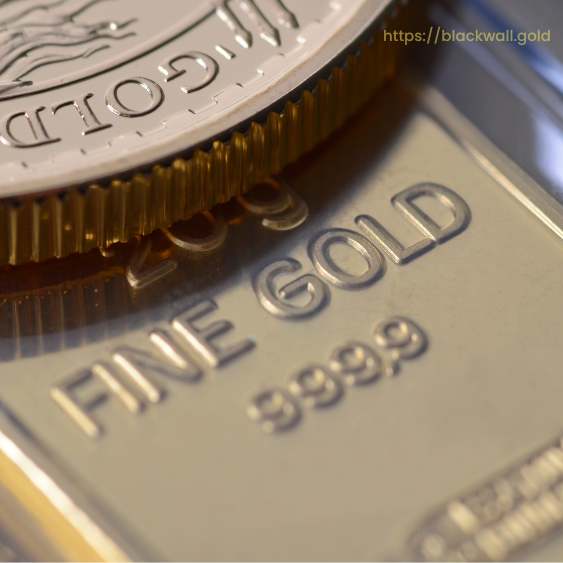
- IRS-Approved Metals – The IRS allows for certain metals to be included in an IRA, but not all gold products are eligible for an IRA. Common approved options include American Gold Eagles, Canadian Gold Maple Leafs, and certain gold bars.
- Fees and Costs – Gold IRAs often come with setup fees, annual maintenance fees, and storage costs, so it’s important to factor in these expenses. Certain companies offer free gold IRAs with no fees for 10 years, but keep in mind that IRAs are commonly held for long periods of time, so take that into considerations.
- Liquidity and Selling – Unlike traditional stocks, selling physical gold may take more time and involve additional steps.
- Tax Implications – Gold IRAs follow the same tax rules as traditional IRAs and Roth IRAs, meaning that only withdrawals before retirement age are subject to penalties and taxes. If the funds are kept in the fund till retirement age (Last I checked it was 59 and a half), then they are exempt the same way stock, bonds, or cash would be.
Final Thoughts on Gold IRA
A Gold IRA can be an interesting option for those who want to include physical assets into their retirement savings. While the process involves additional steps compared to a traditional IRA, understanding the requirements and potential costs can help you make an informed decision. If you’re interested, consider researching custodians and dealers that align with your financial goals.

Disclaimer: This article is purely informational and does not offer financial advice. Always consult with a financial professional before making any investment decisions.
 Gold IRA
You must be logged in to post a comment.