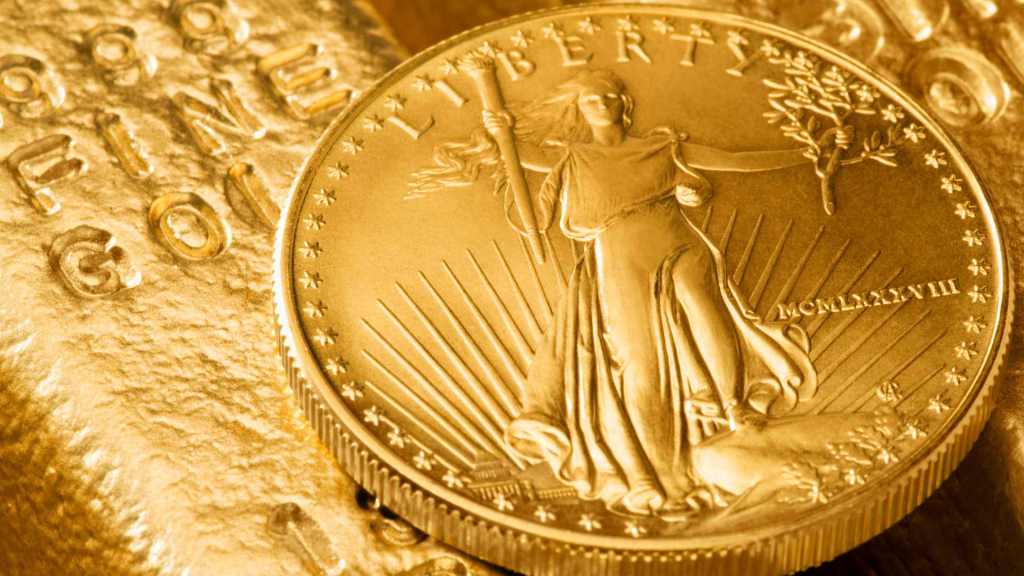
Gold has been a prized material for centuries, valued for its rarity, beauty, and unique physical properties. While it remains a symbol of wealth and prestige, gold has far more practical applications in today’s world. From technology and medicine to aerospace and industry, gold plays an essential role in modern life. Its excellent conductivity, resistance to corrosion, and malleability make it indispensable in a variety of fields.
Gold in Electronics
Gold is a critical component in the electronics industry due to its superior conductivity and resistance to tarnish. It is used in connectors, circuit boards, and semiconductor devices to ensure reliable electrical connections. Smartphones, computers, and televisions all contain small amounts of gold in their components, helping to improve signal transmission and longevity. Even tiny amounts of gold can significantly enhance the performance of microprocessors and memory chips, making it a vital element in modern computing.
Gold in Medicine and Dentistry
The medical field has long utilized gold for its biocompatibility and resistance to oxidation. Gold is commonly used in dental work, including crowns, bridges, and fillings, due to its durability and non-reactive nature. In medicine, gold nanoparticles are being explored for targeted drug delivery, cancer treatment, and advanced diagnostic techniques. Additionally, gold-based compounds are used to treat conditions like rheumatoid arthritis, as they help reduce inflammation in patients suffering from autoimmune diseases.
Gold in Aerospace and Engineering
The aerospace industry relies on gold for its ability to withstand extreme conditions. Gold-coated materials are used in spacecraft and satellites to reflect infrared radiation and stabilize temperatures. This helps protect delicate instruments from the harsh conditions of space. Gold is also used as a lubricant in mechanical components, as it does not oxidize or degrade over time, making it highly effective in high-performance machinery.
Gold in Finance and Economics
Gold remains a cornerstone of global finance, held in reserves by central banks to stabilize economies. It is also widely used in jewelry and investment in the form of bullion and coins. Many investors turn to gold as a hedge against inflation and economic uncertainty, given its historical role as a store of value. The gold standard, though no longer in use, once linked currency values to gold reserves, demonstrating its historical importance in monetary systems.
Gold in Industry and Manufacturing
Various industries use gold in manufacturing processes due to its high resistance to chemical reactions. It is used in glassmaking, where gold can be added to produce specialized coatings that reflect heat while allowing light to pass through. In the automotive industry, gold is used in advanced electronics and sensor technology to improve performance and reliability. Gold is also applied in the production of high-end watches and luxury accessories, ensuring durability and long-lasting shine.
Gold in Art and Decoration
Gold has long been used in artistic and decorative applications, from gilded sculptures to architectural elements. Gold leaf, a thin sheet of hammered gold, is used to adorn religious artifacts, picture frames, and luxury interiors. The ability to shape gold into intricate designs while maintaining its brilliance has made it a favorite material among artists and craftspeople for centuries.
Conclusion
Gold’s versatility extends far beyond its traditional use in jewelry and investment. As a material with unique chemical and physical properties, it plays a vital role in modern technology, medicine, aerospace, and industrial applications. Its ongoing use in cutting-edge scientific research ensures that gold will remain an essential element in human progress for years to come.
 Gold IRA