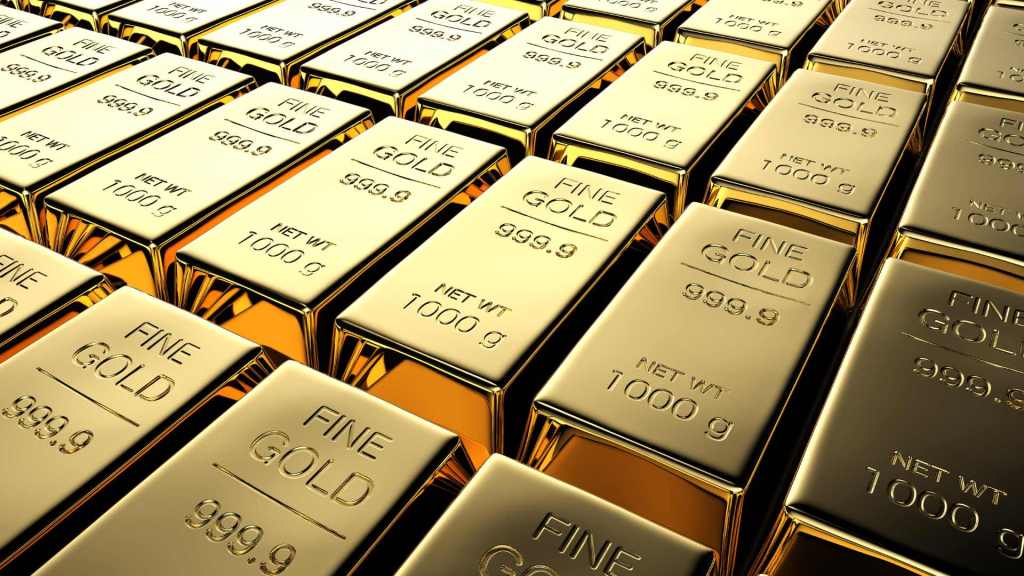
Gold bars have been a symbol of wealth and stability for centuries, serving as a reliable store of value across different civilizations. From their origins in ancient economies to their role in modern financial markets, gold bars have played a crucial part in shaping global trade and monetary systems.
The Origins of Gold Bars
Gold bars have been used as a store of value and a medium of exchange for thousands of years. The earliest civilizations, including the Egyptians and Mesopotamians, refined gold into ingots for easier transport and trade. These early gold bars were often irregularly shaped and varied in purity, as refining techniques were still developing. Gold played a crucial role in religious offerings, wealth accumulation, and diplomatic exchanges between ancient kingdoms.
Gold Bars in Ancient Economies
By the time of the Roman Empire, gold bars were being standardized in weight and purity, allowing them to be used in large-scale transactions. The Romans refined gold using advanced smelting techniques, producing bars that could be stored in treasuries and used for military funding. In the Middle Ages, gold bars were frequently melted down and recast by merchants and rulers to facilitate trade. Goldsmiths played a crucial role in verifying the authenticity and purity of these bars, which helped establish trust in their value.
The Development of Modern Gold Bars
During the Renaissance and early modern period, gold bars became a central element of banking and commerce. European nations, including Spain, Portugal, and the Netherlands, accumulated vast reserves of gold bars from colonial territories, leading to the expansion of global trade networks. Central banks and private mints began producing gold bars with official stamps and weight certifications, ensuring their acceptance across international markets. The London Good Delivery standard, established in the 18th century, provided guidelines for the production and verification of gold bars, setting the foundation for modern gold trading.
The Role of Gold Bars in the Gold Standard
In the 19th and early 20th centuries, gold bars played a crucial role in backing national currencies under the gold standard. Governments stored large quantities of gold bars in central bank vaults to support paper money in circulation. This system provided economic stability but was eventually abandoned in the 20th century as economies shifted towards fiat currencies. Despite this change, gold bars remained an essential asset for governments, financial institutions, and investors.
Gold Bars in the Modern Era
Today, gold bars are primarily used for investment, wealth preservation, and central bank reserves. Refining techniques have advanced significantly, allowing for the production of highly pure gold bars in a range of sizes. Mints and refineries worldwide, such as the Swiss PAMP and the Royal Canadian Mint, produce gold bars with standardized specifications for global trade. With the rise of digital gold trading and gold-backed financial products, physical gold bars continue to hold value as a tangible and universally recognized form of wealth.
 Gold IRA